
High-speed rewinding doesn't destroy metallic yarn—uncontrolled atmospheric exposure and mechanical tension drift do. When processing metallic slit
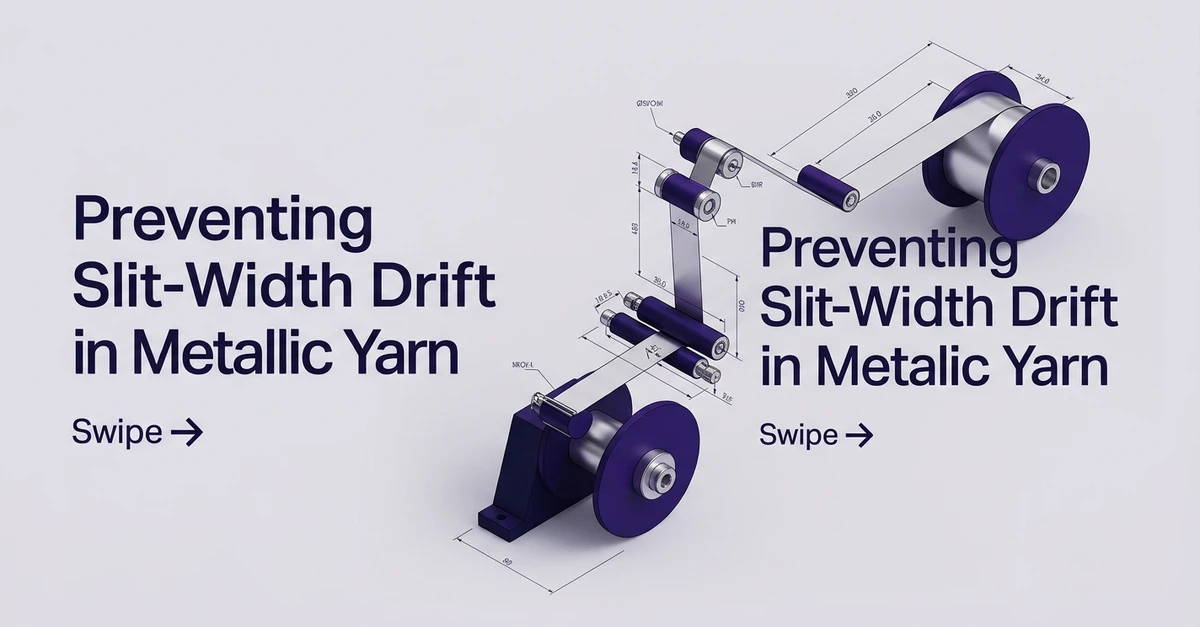
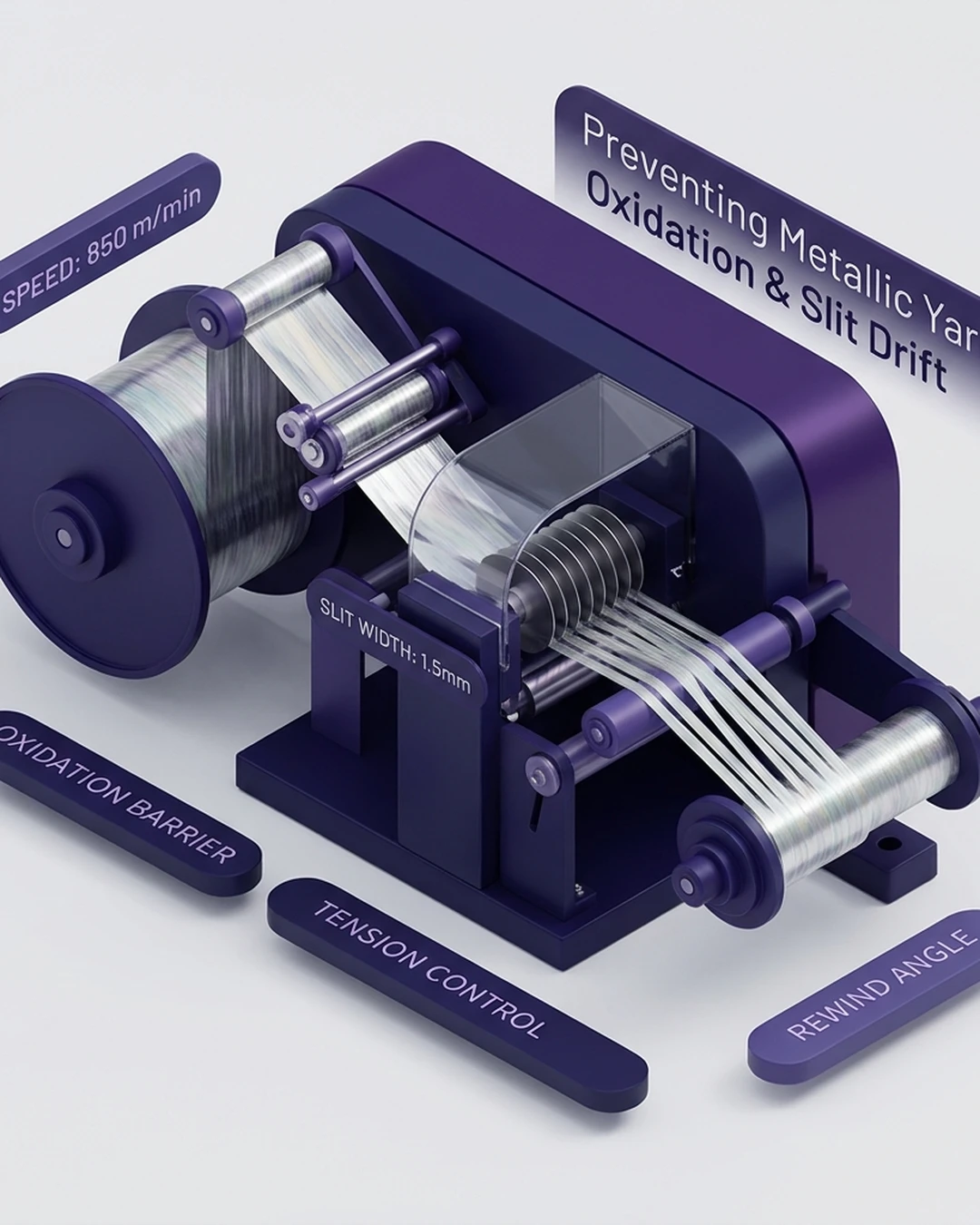
High-speed rewinding doesn't destroy metallic yarn—uncontrolled atmospheric exposure and mechanical tension drift do. When processing metallic slit film, even minor variations in ambient humidity and tension lead to surface oxidation and subtle slit-width drift.
For weaving mills in Surat and global textile hubs, maintaining pristine luster and consistent denier per filament (DPF) across high-speed operations is essential. Micro-slippage during rewinding creates friction heat, accelerating film degradation along the slitted edge of thermoplastic fiber structures. When yarn tenacity drops, downstream weaving efficiency declines rapidly on modern high-speed looms.
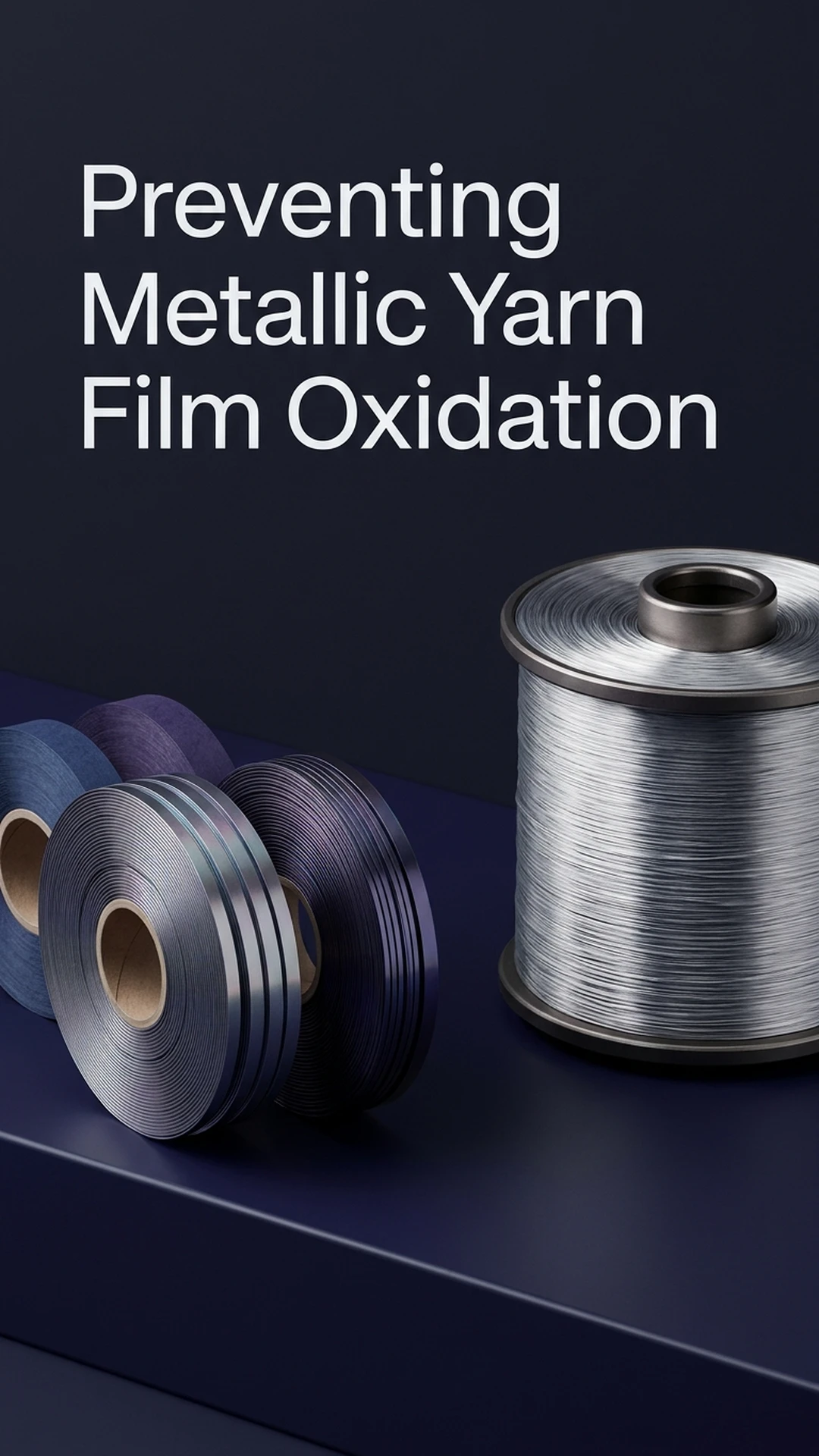
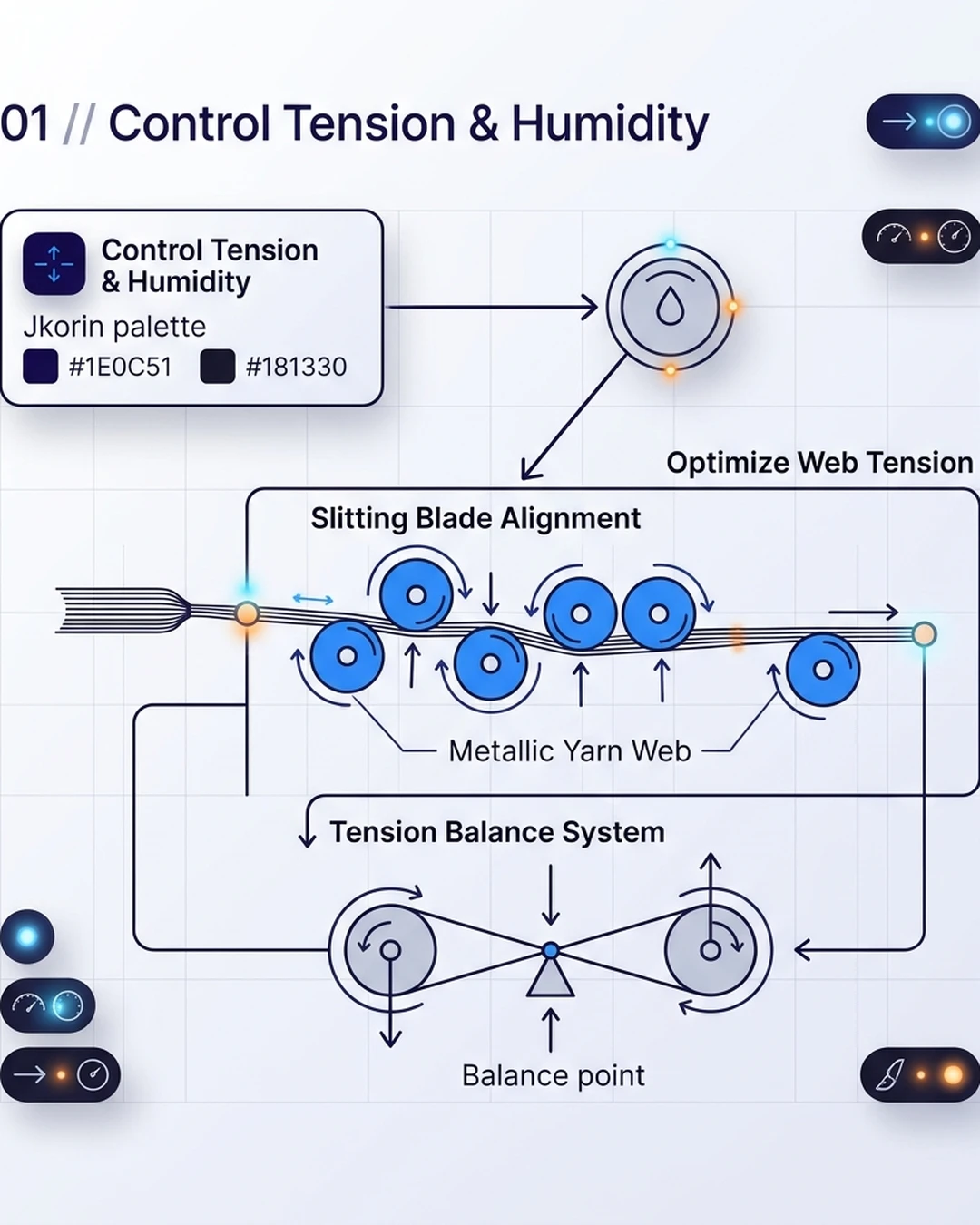
To stabilize slit-width integrity, weaving facilities should implement three core protocols: maintain controlled humidity in slitting zones, continuously calibrate rewinder tension controllers to prevent edge stretching, and store spools in moisture-barrier packaging until mounted. Preventing microscopic edge fraying ensures smooth loom performance and uncompromised metallic sheen.
How is your facility mitigating slit-width variance on high-speed lines? Connect with our technical team in Surat at info@jkorin.com to explore high-precision yarn solutions.
Connect with our technical team in Surat at info@jkorin.com to explore high-precision yarn solutions.